
An open invitation to robotics researchers
Open call for academic partners · October 2026
Abstract
Tbrain is looking for university labs to explore a simple but unanswered question with us: what makes real-world human demonstration data valuable for robot learning?
We bring real-world data and the ability to collect more of it. You bring the research. The shape of each collaboration is up to you and your lab.
| Egocentric human demonstrations | at least 2,000+ hours |
|---|---|
| Tasks | about 6,000 |
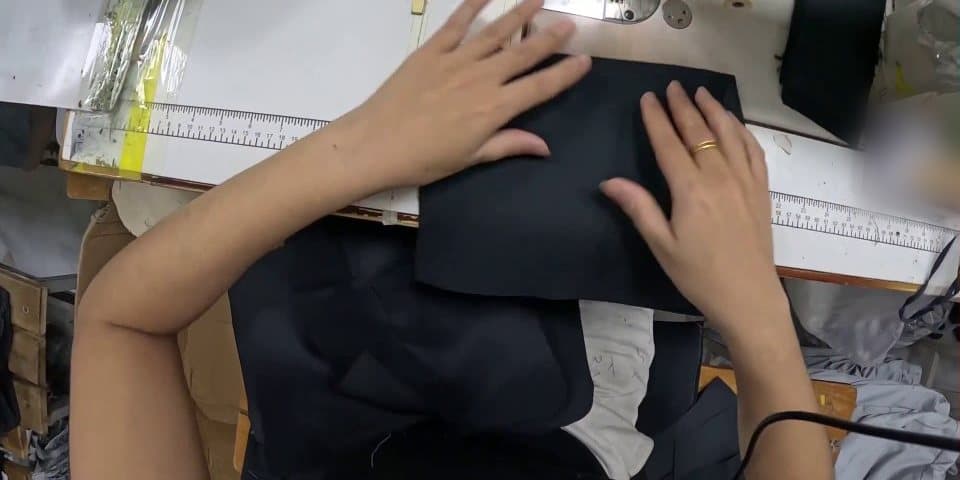
| Real working environments | 100+ · factories, workshops, kitchens, repair shops |
| Data collection | Free collection for academic research |
| Delivery formats | LeRobot, RLDS |
| Who we'd love to hear from | Faculty, postdocs and students |
| Results | Expected to be published openly |
Why this question matters now
The field is now collecting human demonstration video at very large scale. Recent work suggests that hours alone are a weak predictor of value. For example, scaling egocentric video to 30,000 hours taught a world model to predict hands well, but not how objects respond to them (Dong et al., 2026[1]). Other work found that well-chosen subsets of data can beat much larger pools (Axis Robotics[2]).
If composition, quality and structure matter more than volume, the field needs to know how to measure them. Answering that takes careful, independent experiments on real-world data, which is the kind of work universities do best.
Questions we're curious about
These are starting points, not a fixed agenda. We're just as interested in the questions your lab already cares about.
- RQ1Diversity and scaleWhen do more tasks, places or people help more than more hours?
- RQ2QualityWhat makes one demonstration more useful than another, and are mistakes and recoveries useful signal?
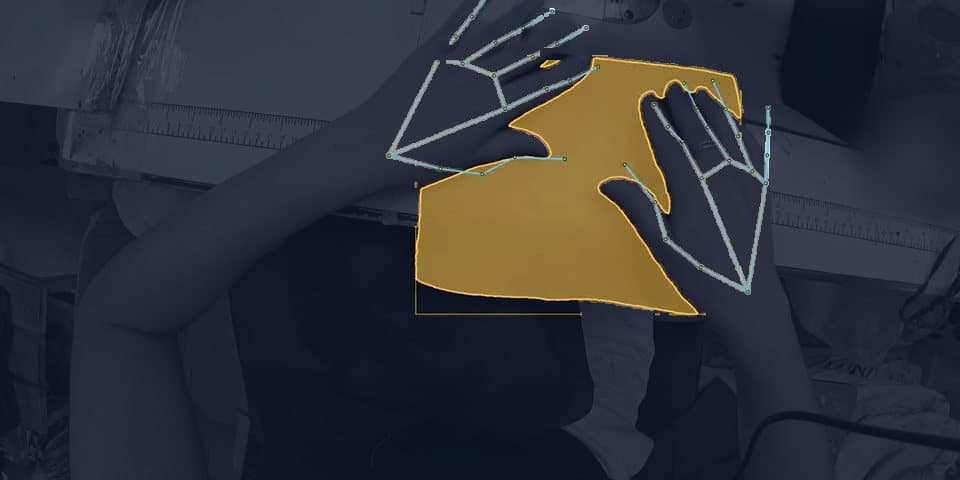
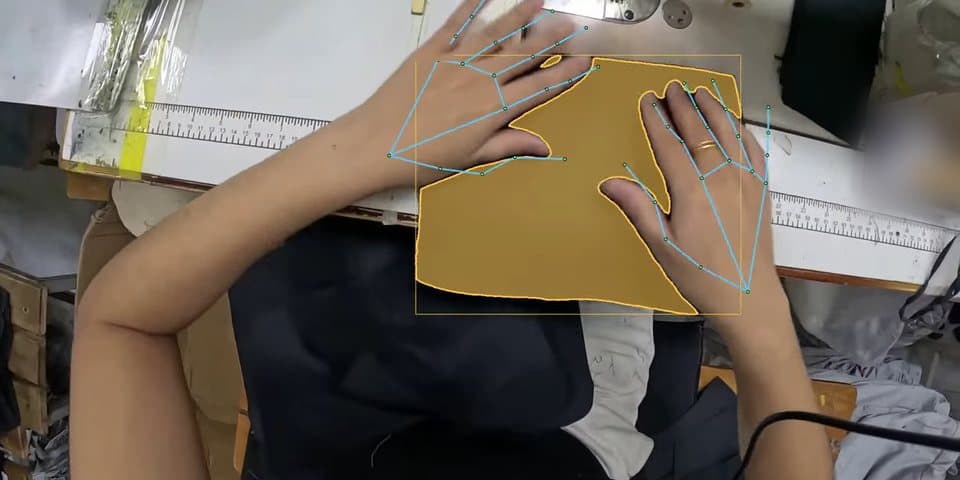
- RQ3StructureHow much do labels for tasks, actions, objects and timing help learning?
- RQ4TransferHow do human demonstrations best carry over to robot bodies?
- RQ5EvaluationHow should demonstration data be judged fairly and independently?
- RQ6SimulationCan real working environments become useful simulation or training environments?

What we offer researchers
- Real-world data: at least 2,000+ hours of egocentric human demonstrations across about 6,000 tasks and 100+ real working environments, including factories, workshops, kitchens and repair shops.
- Free collection for academic research: new data collected around your lab's own tasks and questions.
- A data design partner: help with the practical choices that decide whether a data experiment works, such as which tasks, devices, operators and protocols to use.
- Ready-to-use formats: delivery in common robotics formats, including LeRobot and RLDS.
Collaborations can be as light as using a slice of our data, or as deep as a co-designed study and a joint paper. Student thesis projects are welcome too. We expect results to be published openly.
Get in touch
We'd love to hear from faculty, postdocs and students working on robot learning, manipulation, vision-language-action models, world models, embodied perception, simulation or robot evaluation.
Send a short note about your lab and what you're curious about to research_program@tbrain.ai. We'll share sample data and set up a conversation.
Sample data: tbrain.ai/samples
About Tbrain
Tbrain builds real-world data infrastructure for physical AI, from capture in working environments through quality control and delivery. Our research interest is how data design, not just data volume, shapes what embodied AI can do. tbrain.ai
References
- [1]Dong et al., 2026. arxiv.org/abs/2610.12464 (opens in a new tab)
- [2]Axis Robotics. axisrobotics.ai (opens in a new tab)