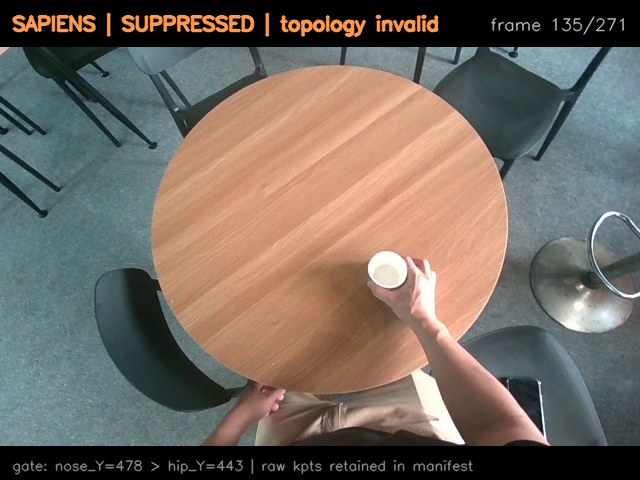
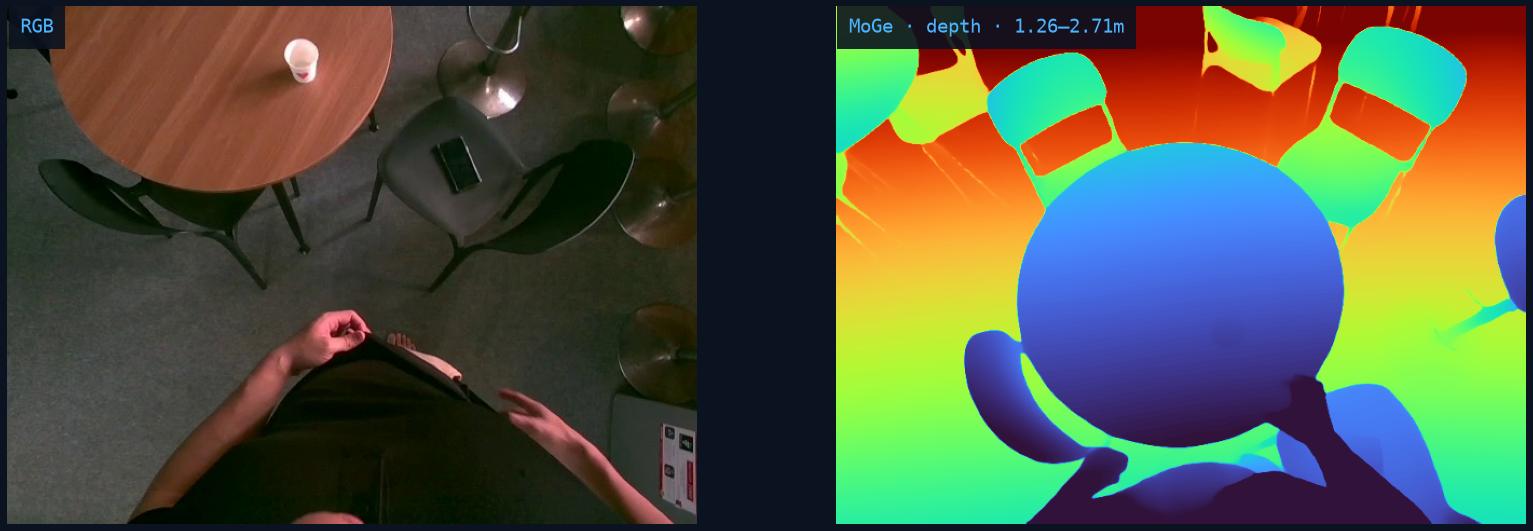
Pick up the cup
271f·18s·Stereo depth cam
Reference episode · MANO 21-kpt hand + verb-noun label

Real capture packs, worn by operators on the factory floor — egocentric, action-paired, deeply annotated. Sourced through an industrial partner network across Asia, QC'd, and delivered RLDS-ready.
Robot foundation models don't lack compute. They lack synchronized, action-paired data captured in the messy real world — and every lab is hitting the same wall.
Compute & model scale race ahead; real-world, action-paired data lags. That gap — not compute — is the bottleneck.
More demos per hour from egocentric human video than teleoperation
20k+ hrs of egocentric video → predictable gains in robot dexterity
Robot data + 1M hrs of web video → zero-shot manipulation
π0: data across 7 platforms trains one cross-embodiment VLA
The scarce resource is real, diverse, action-paired demonstrations — QC'd to lab standard.
Tbrain is a robotics-data foundry: we capture real, action-paired demonstrations on our own hardware and forge them into lab-grade, training-ready datasets.
Every episode ships to one spec — the exact signals world-model teams request, hardware-clock synced, QC'd, and delivered RLDS / LeRobot-ready.
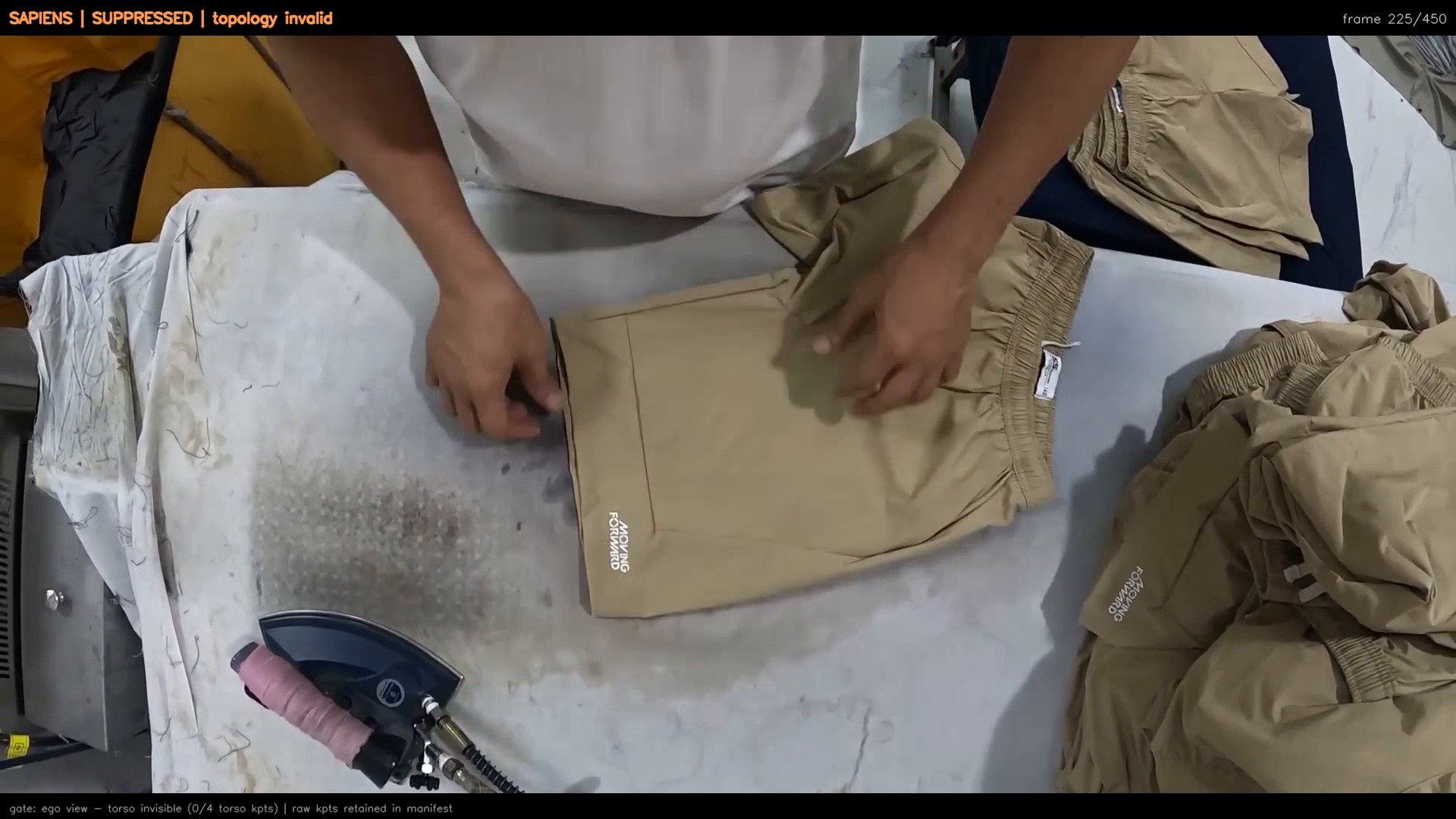
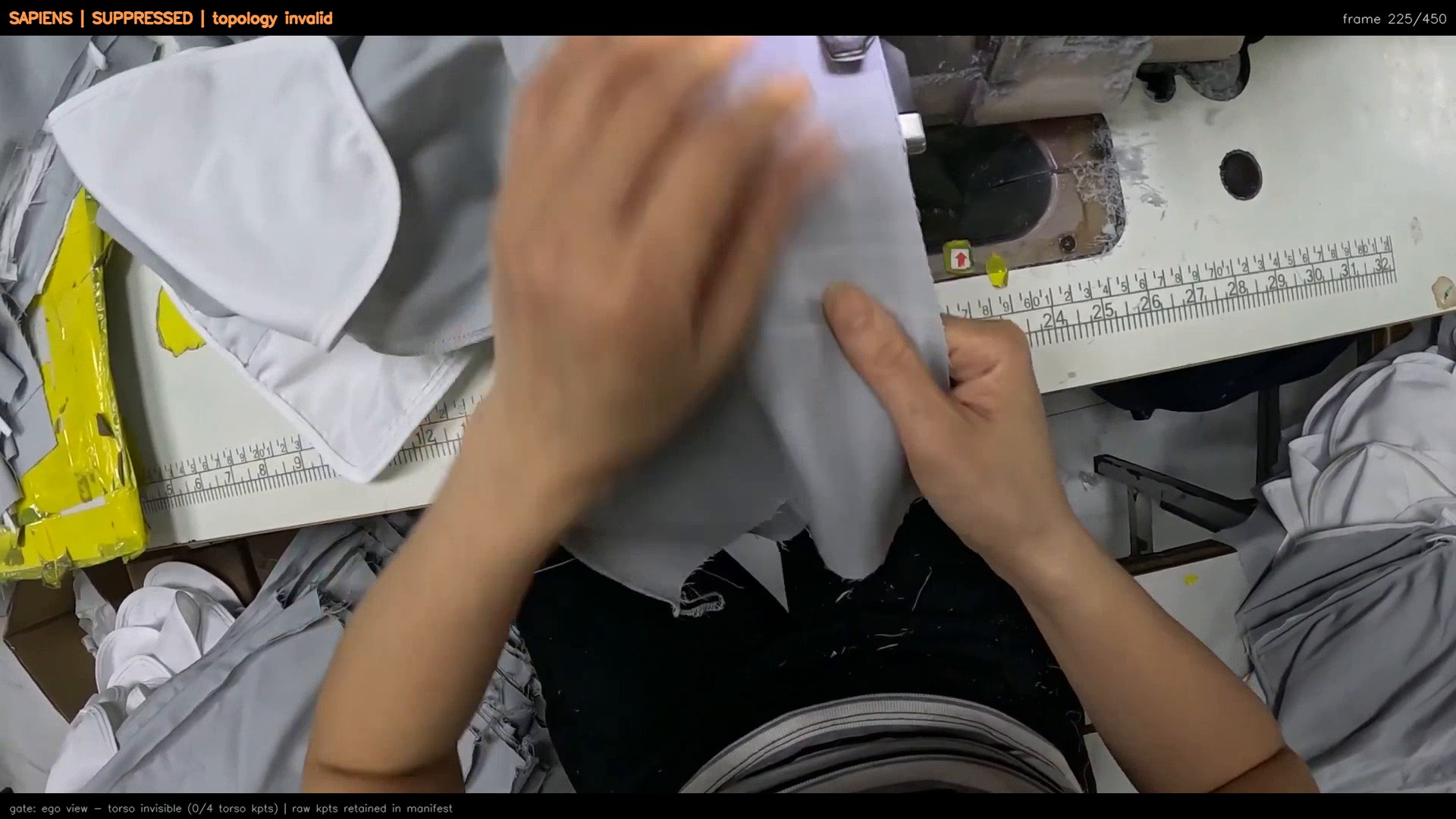
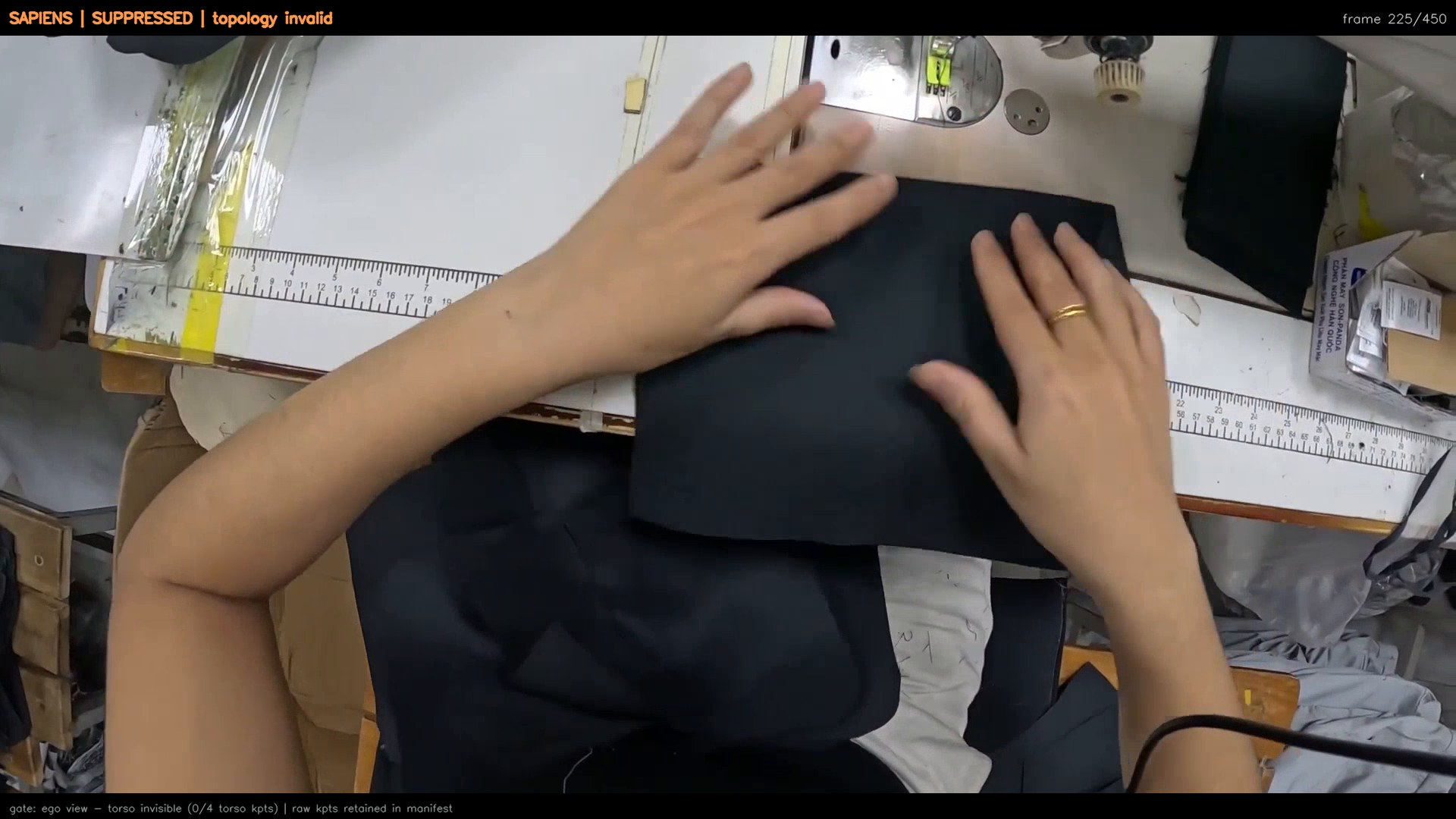
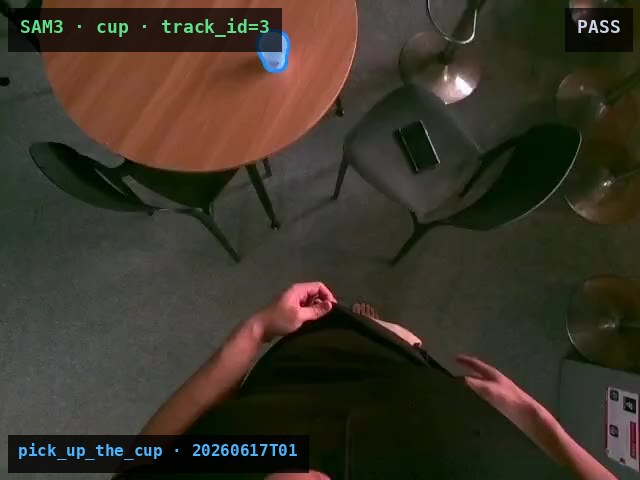
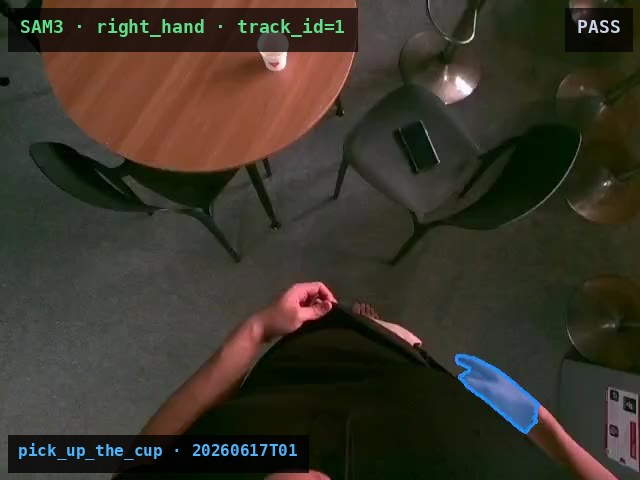
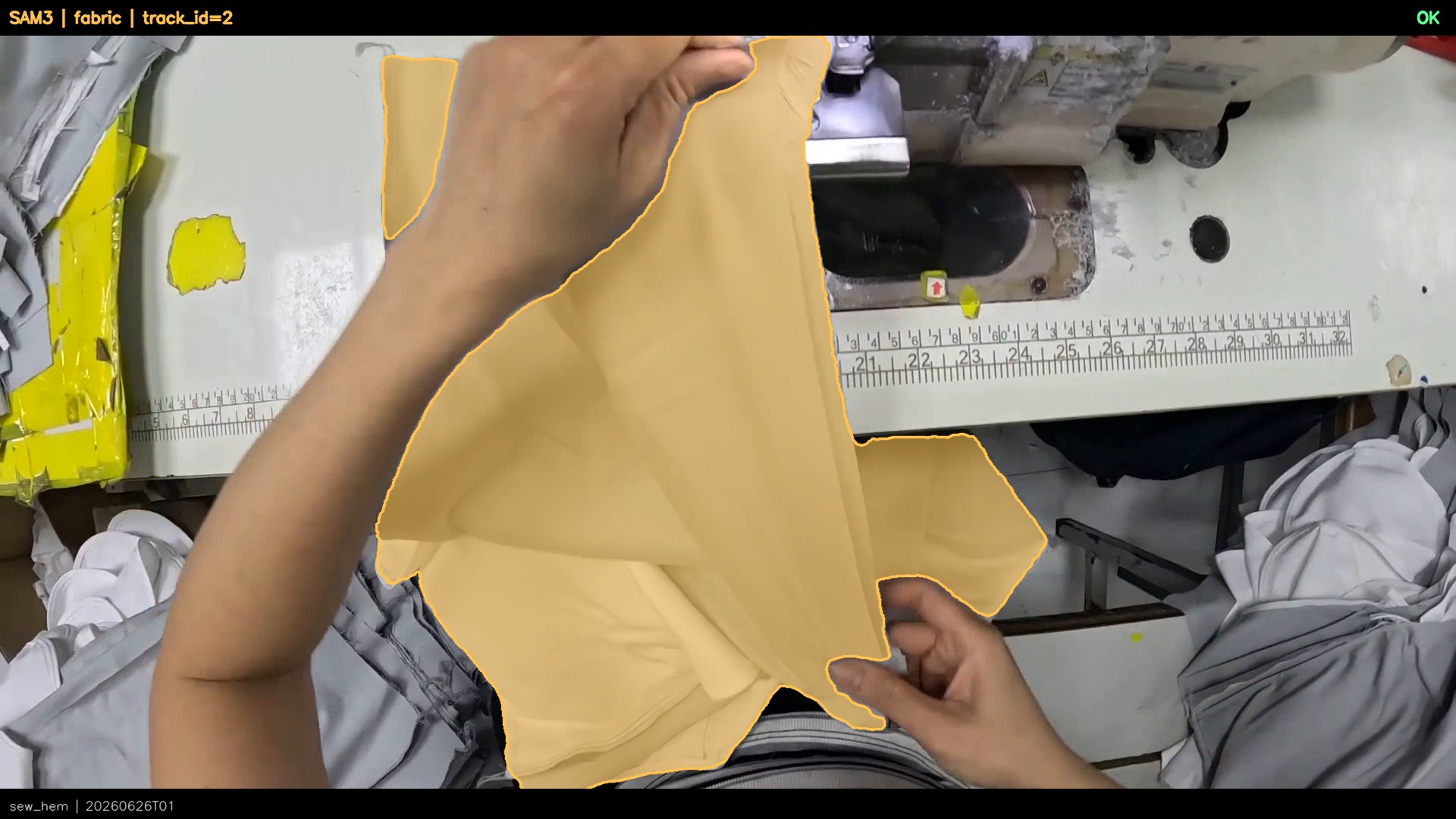
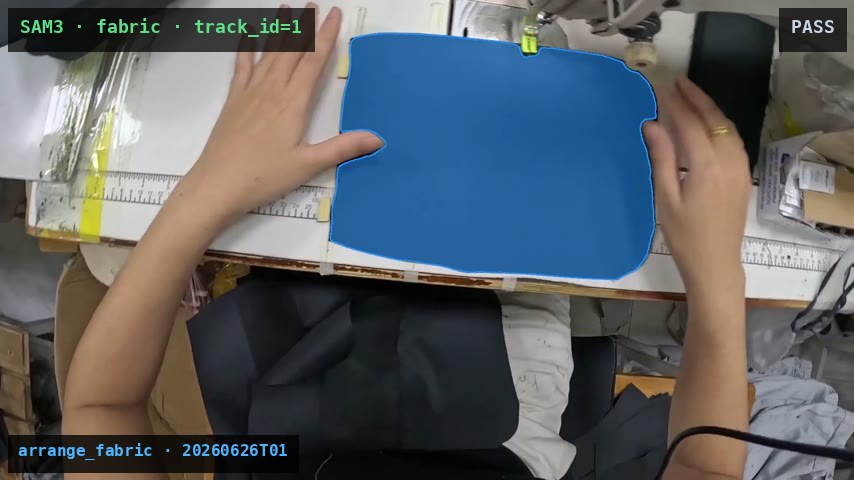
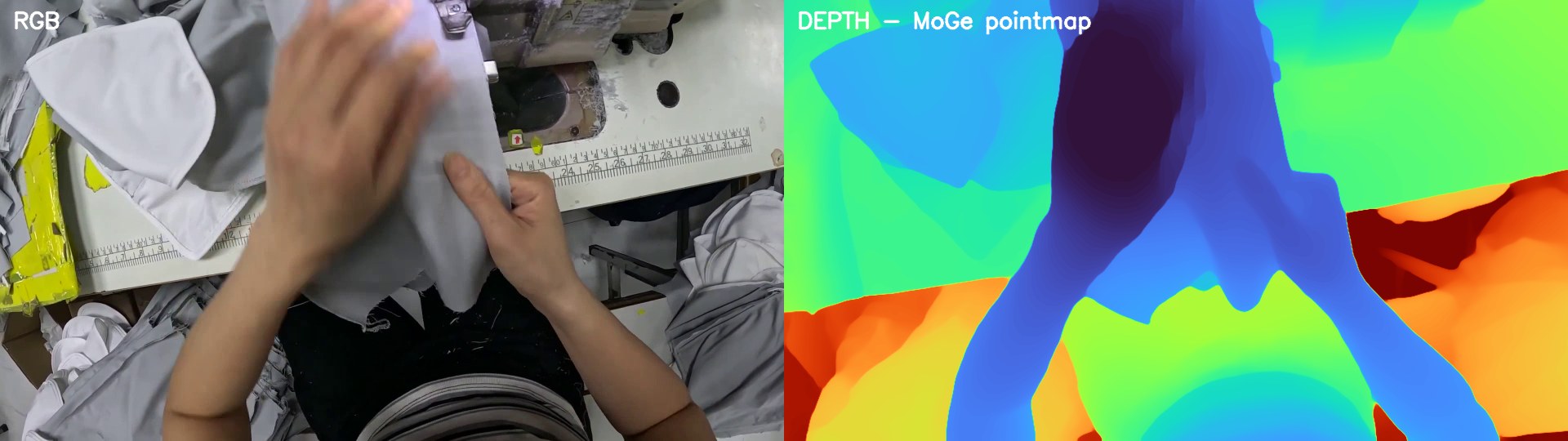
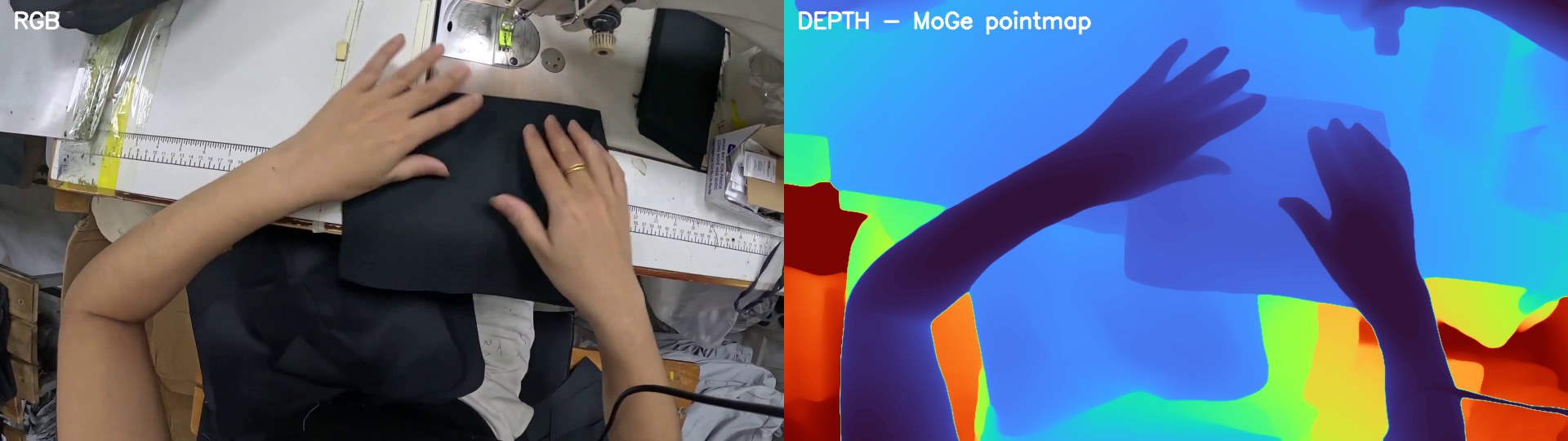
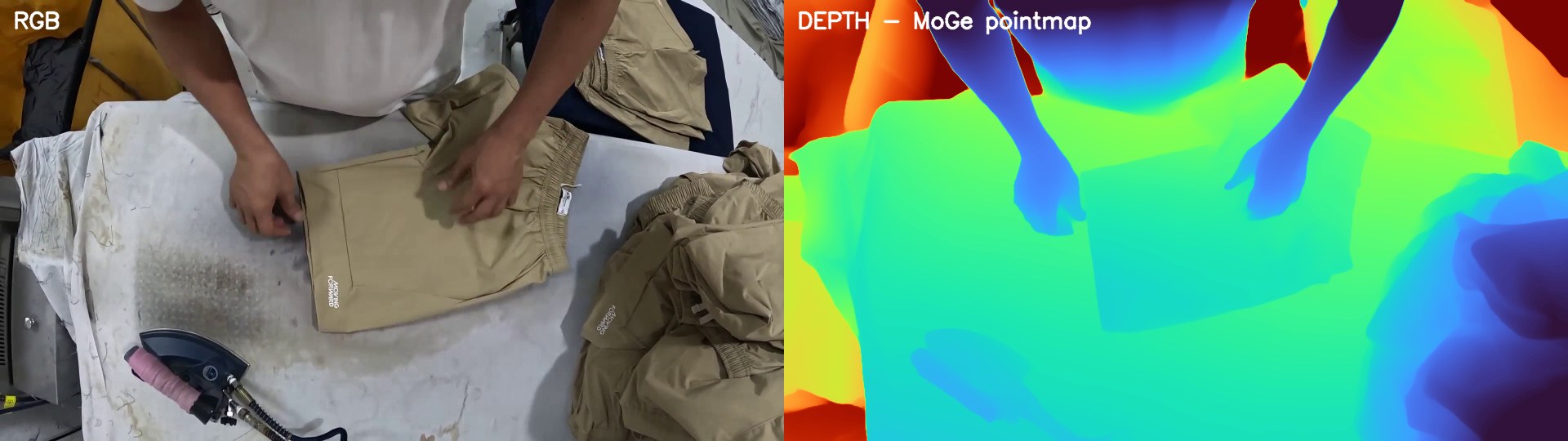
Every clip on this wall is a real capture from a real factory floor — auto-labeled, QC'd against 15 machine-checkable rules, and diffable against its Rerun scene.
One rule: verifiable numbers on the left, aspirational capacity on the right — labeled, not blended. We don't ship stats we can't defend to a research engineer.
SRC · model registry · LeRobot export · capture ledger
From factory floor to LeRobot v2 in ≤48h. Every phase leaves a machine-readable trace so any downstream claim can be verified.
Fourteen episodes shipped this quarter across kitchen + textile lines; six on this page. Every card opens its own annotated burn, its own manifest, its own Rerun scene. Click any tile.
Every raw capture runs through the auto-label pipeline in parallel. Four outputs are the ones a robotics team touches first — the rest live in the provenance manifest that ships alongside the video.
Per-frame 21-keypoint MANO mesh + SLAM camera trajectory for each hand independently. Interpolated frames flagged; low-coverage caps escalated to Label Studio.
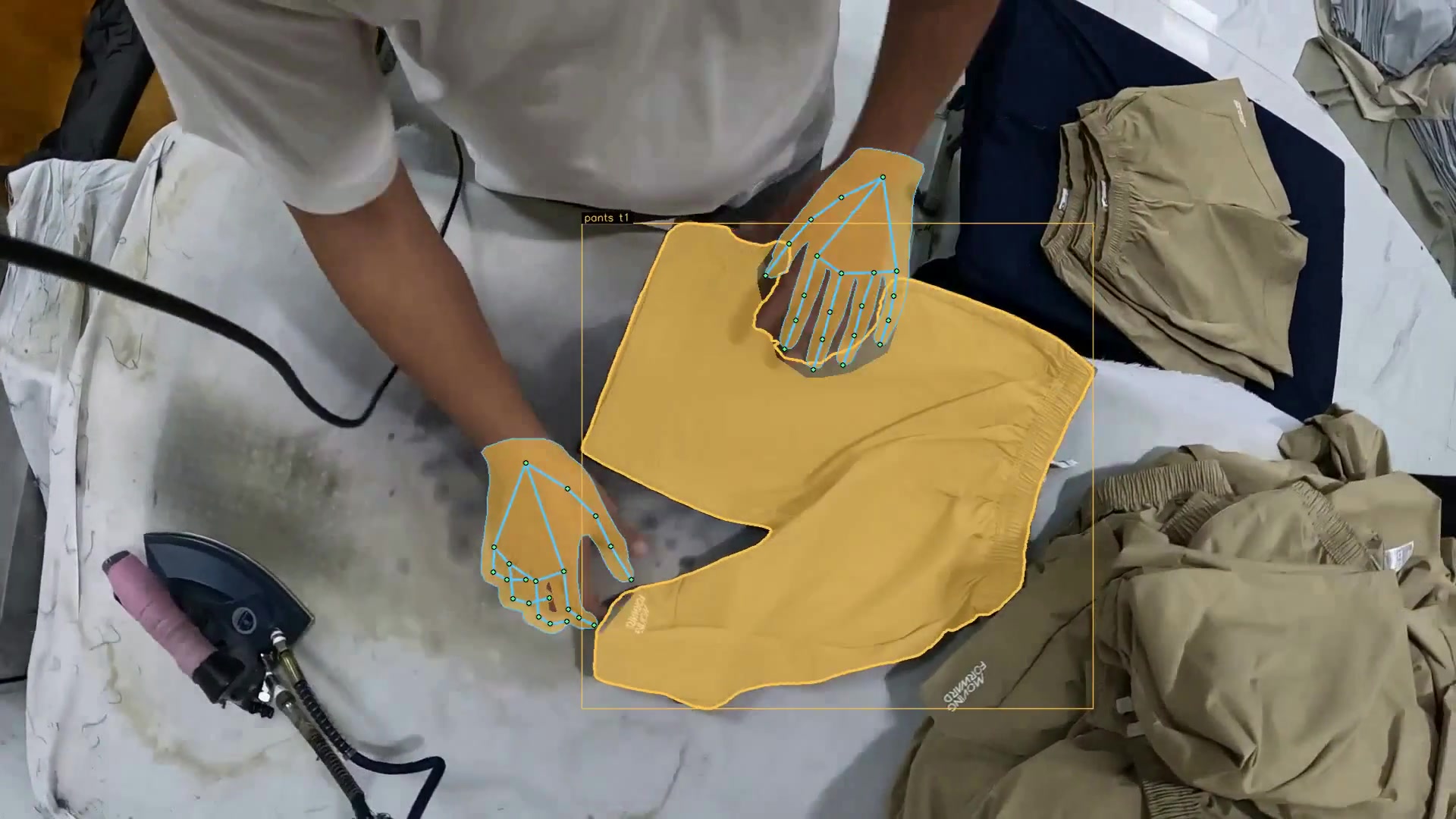
Description, metadata, object masks, depth, Rerun proof — the full 8-model pipeline lives on the deep dive page.
See the full pipelineEvery capture crosses a 15-check gate before a human ever sees it. Only PARTIAL/FAIL results route into Label Studio, where three human layers ship the last 8%. Every fix keeps the provenance trail intact.
Full 15-check taxonomy, sample fail images per check, escalation flow, and the models provenance trail live on the QC playbook.
See full QC playbookOpen any capture as a scrubbable multi-track scene. Full viewer lives on the auto-label deep dive.
What we ship, what you're building, what to check before you buy. Same buyer question, three lenses. Click any tile to expand its detail.
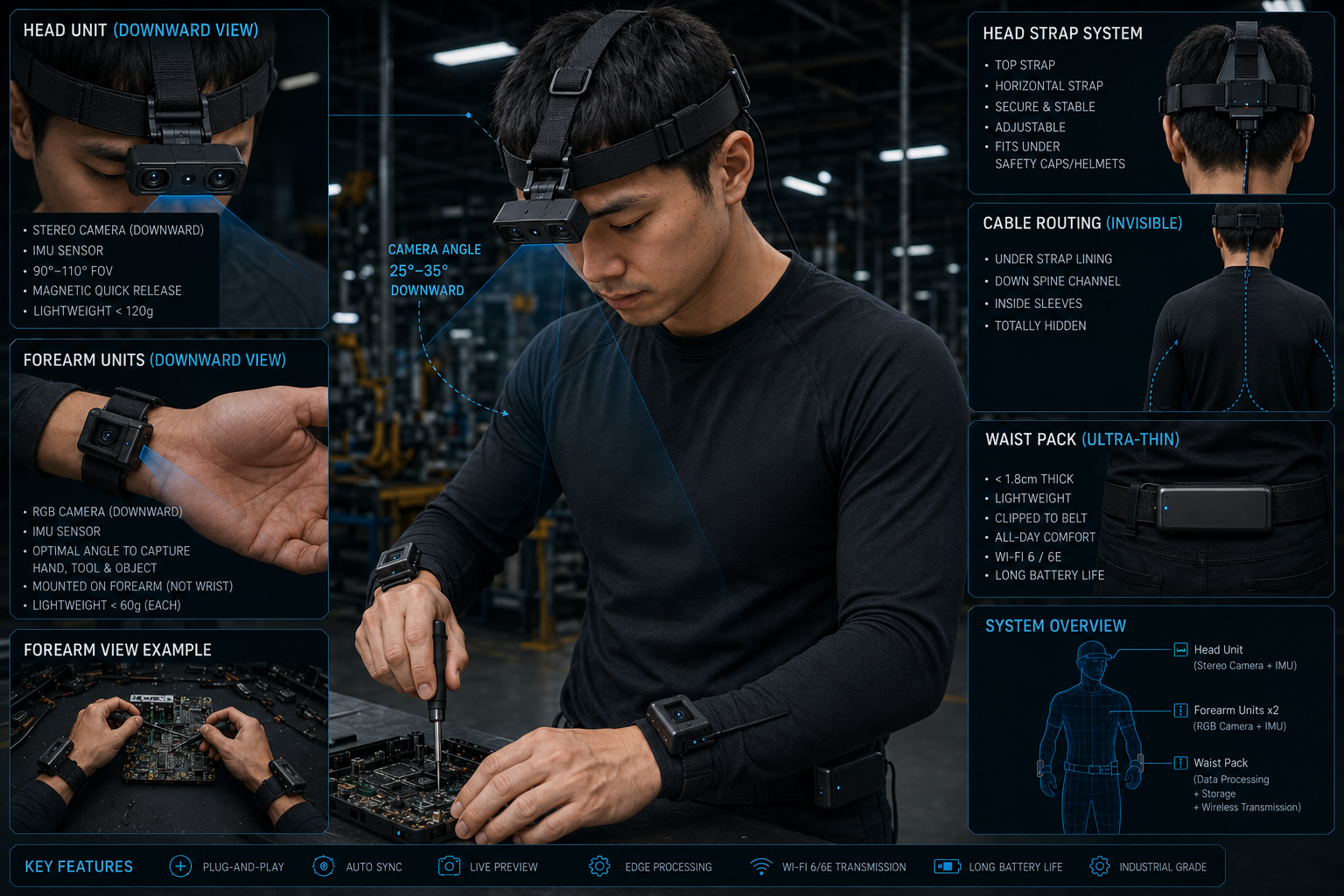
First-person capture packs worn by operators on real factory floors. Every episode ships with per-frame hand kpts + object masks + verb-noun action segments + camera SLAM trajectory, all baked into one LeRobot v2 parquet.
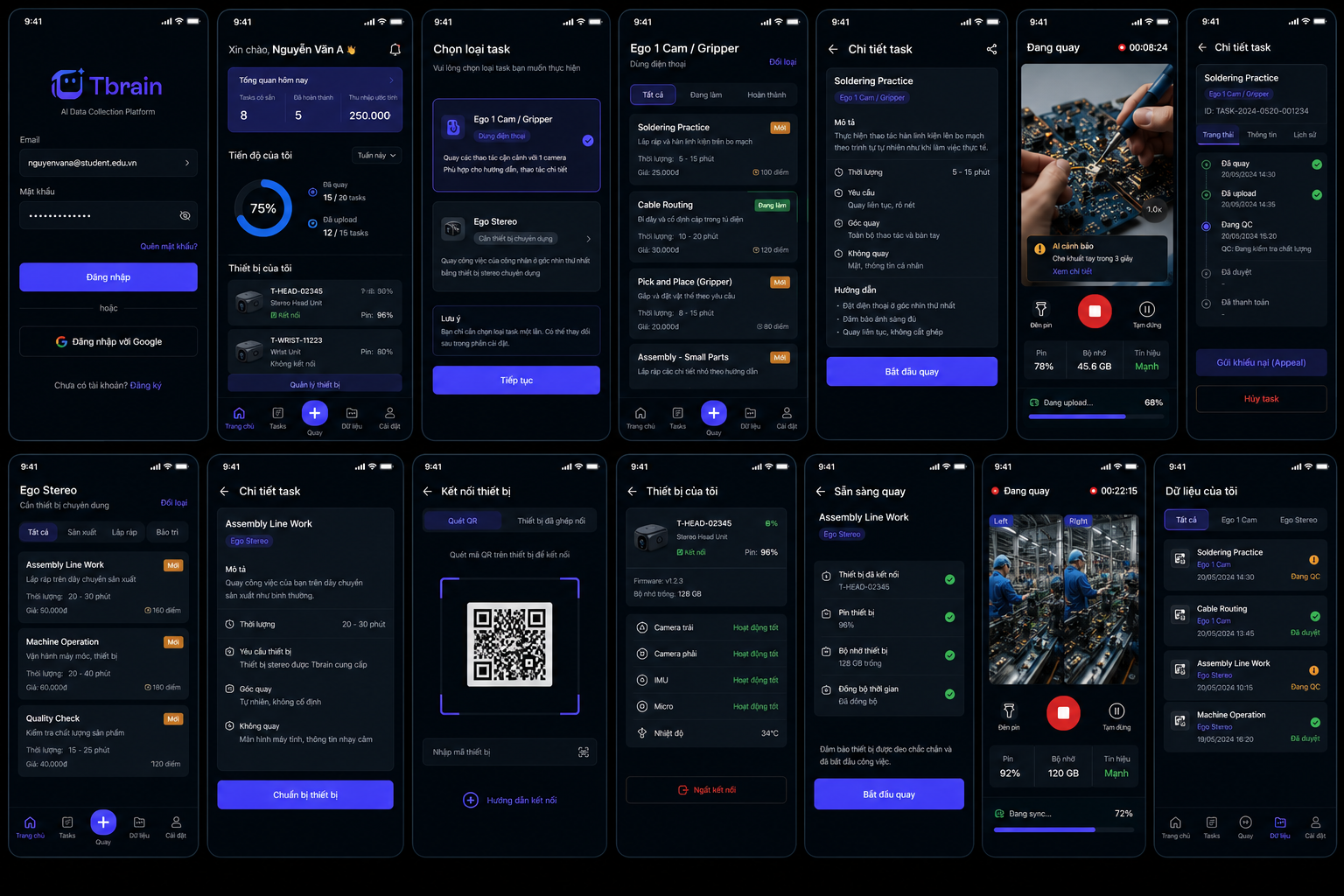
Two views of one collection machine — the wearable pack and the operator's task console. Purpose-built so 500 operators capture the same schema, same QC gate, same bucket.
Public egocentric datasets set the ceiling for what a research team already expects. We benchmark to them, extend them into East-Asian environments simulation never sees, and deliver in the same schemas. Everything below is credited public work — not ours.
Public references only · we do not resell public data · all links go to the original project pages.
We win on annotation depth, accountability, and a field-scale operation no US-centric vendor has — not a race to the bottom on price.
There's no big upfront commitment. Most buyers begin with inventory or a low-risk pilot, then scale into production and a retainer.
Access pre-collected egocentric data quickly.
Validate task protocol, hardware, workflow & output format.
Collect large-scale data across targeted environments.
Monthly data flywheel for continuous model refinement.
Enter at any point — license-ready inventory today, custom collection to your spec, or a continuous program.
Talk to usTbrain also runs coding, evaluation, and RLHF / SFT data programs.
Tell us the task, the embodiment, and the format. We'll scope a sample batch — captured, QC'd, and delivered RLDS-ready.