
Video Game Data Pipeline
Automated QC and delivery for game recording annotation
About the engagement
A leading game studio needed to turn raw gameplay recording sessions into clean, delivery-ready annotated data at a pace manual review couldn't sustain. We built an end-to-end annotation pipeline for video game data collection, anchored by 4 agentic workflows: automated QC validation, delivery preparation, cloud sync, and real-time notifications.
The challenge
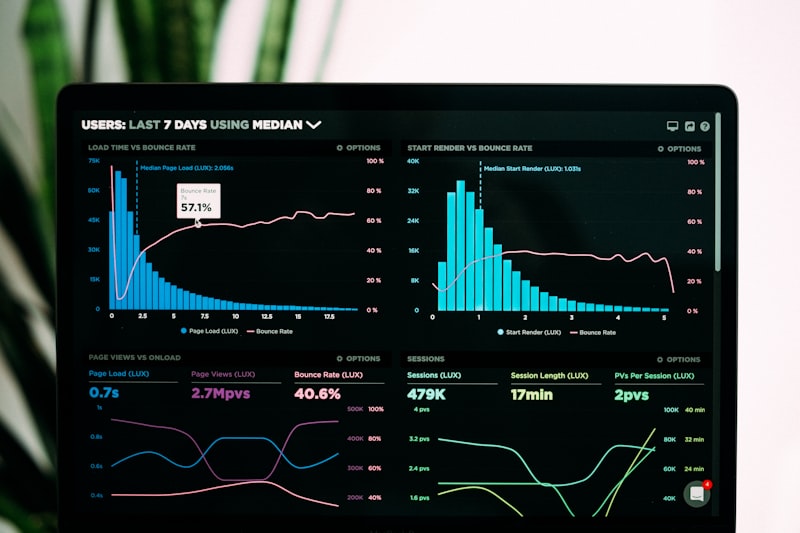
Game recording annotation has a throughput problem that's structural, not incidental. Sessions arrive continuously, each one needs the same battery of QC checks before it can ship, and manual review of every session simply doesn't scale to the volume a studio's data collection program generates. The studio needed a pipeline where quality gates, packaging, and delivery all happened automatically — with humans reviewing only what the pipeline flagged, not everything that came in.
The bottleneck was never capturing the gameplay — it was everything that had to happen to a session between capture and a model-ready dataset.
The 4 agentic workflows
Rather than one monolithic script, the pipeline is built from 4 agents, each owning one stage:
| Agent | Responsibility |
|---|---|
| Automated QC validation | Runs a checklist against every recording session — completeness, corruption, metadata consistency — before it's eligible for delivery. |
| Delivery preparation | Packages validated sessions into the studio's required delivery format, ready to hand off without manual repackaging. |
| Cloud sync | Pushes packaged deliverables to the studio's cloud storage over an OAuth-authenticated connection to both GCS and R2. |
| Real-time notifications | Alerts the team the moment a session passes QC, fails validation, or completes delivery — no polling required. |
Cloud sync and delivery
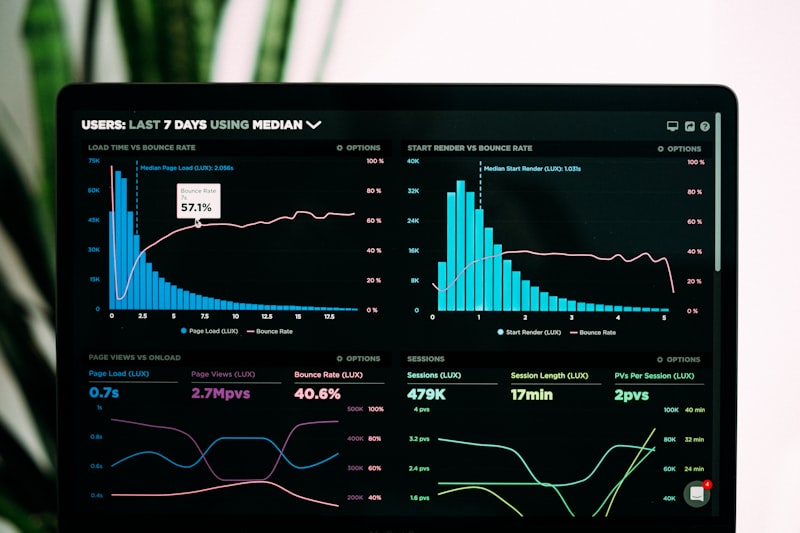
Delivery had to work across the studio's existing cloud footprint, not force a migration to a single provider. The cloud-sync agent authenticates over OAuth and syncs packaged deliverables to both GCS and R2, so the studio's downstream tooling — wherever it lives — can pull from the storage backend it already integrates with. Delivery-ready packages are produced automatically by the delivery-preparation agent immediately after a session clears QC, with no manual repackaging step in between.
Real-time visibility
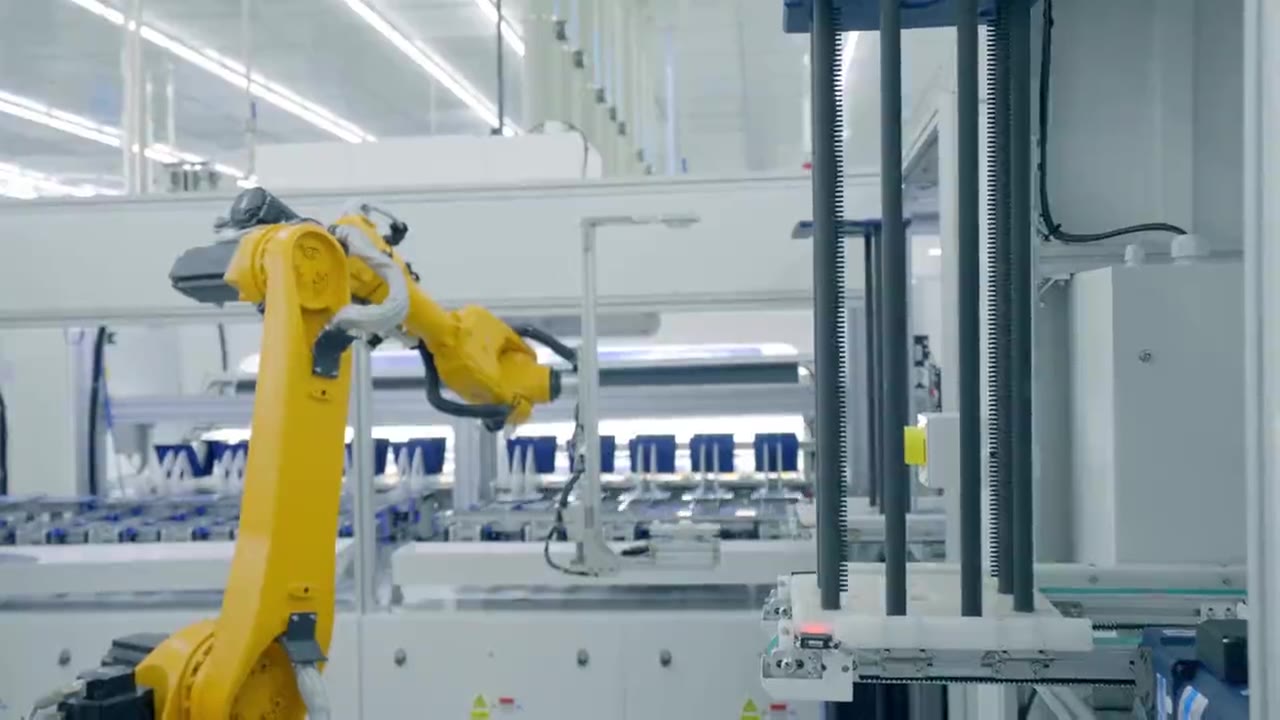
A pipeline that runs unattended still needs to be observable — a session silently stuck between QC and delivery is as costly as one that fails outright. The notification agent closes that loop: the moment a session passes QC, fails validation, or completes delivery, the responsible team is alerted in real time rather than discovering the state days later during a manual audit. That real-time signal is what let the studio trust the automation enough to stop checking every session by hand in the first place — the pipeline surfaces exceptions on its own, instead of asking a human to go looking for them.
An automated pipeline nobody can see into just moves the manual-review bottleneck downstream. Real-time notification is what makes the automation trustworthy enough to actually rely on.
The outcome
The studio now runs game recording annotation on a pipeline built from 4 agentic workflows — automated QC, delivery preparation, cloud sync to both GCS and R2 over OAuth, and real-time tracking of every session's status. QC and delivery packaging that used to require manual, session-by-session attention now run automatically, with the team's time going to the sessions the pipeline actually flags rather than every session that comes in.
Need Expert Data Services?
Let Tbrain deliver precision-engineered data solutions on enterprise timelines
Connect Us Today